
Iraq — the Lions of Mesopotamia, a nation rebuilt through football, and a World Cup that means everything
Iraq are at their first World Cup since 1986. Forty years. The Lions of Mesopotamia qualified through the AFC intercontinental pathway. Group I with France, Norway and Senegal awaits.

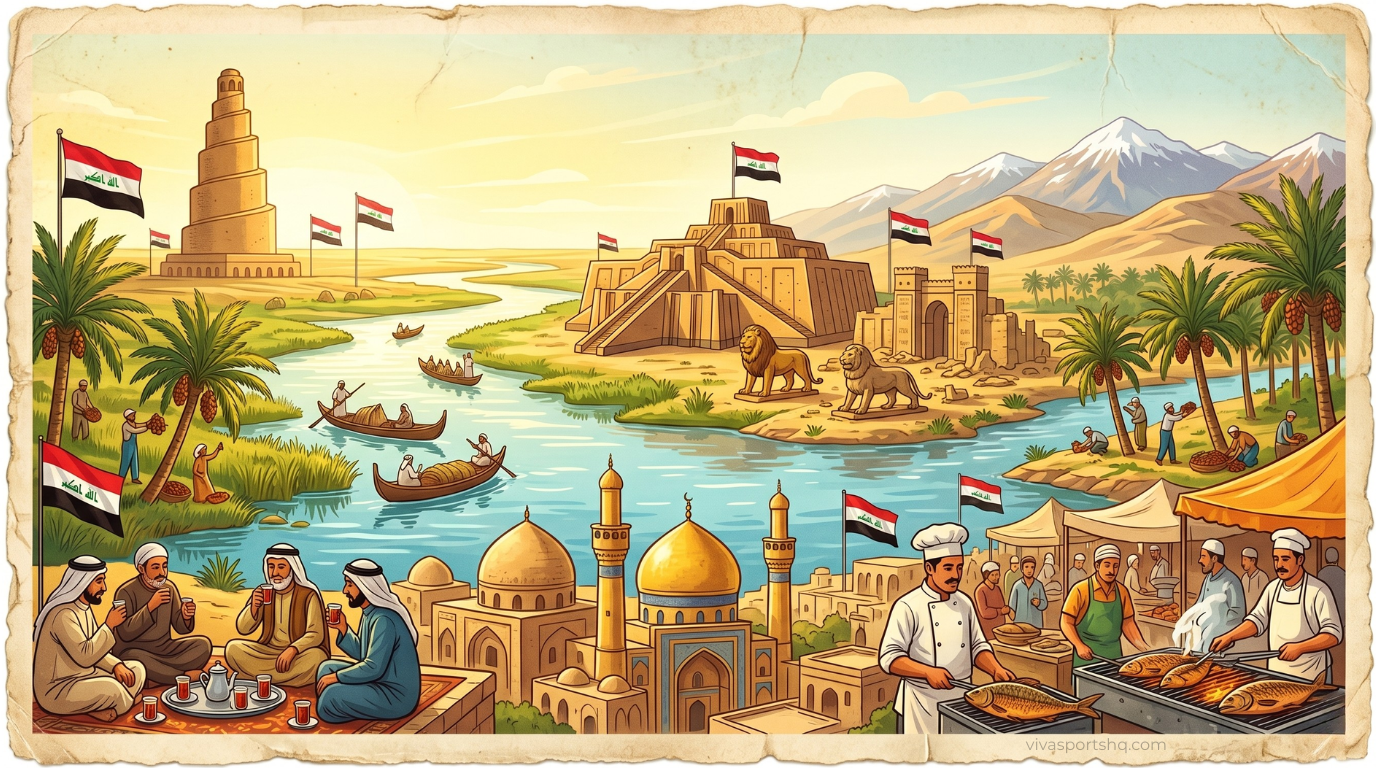
Iraq last played at a World Cup in 1986 — forty years ago, in Mexico, a tournament that feels like it belongs to a different era of football entirely. In those forty years, Iraq produced talented players, came close to qualifying on several occasions, and built a football culture that survived circumstances that would have destroyed the sport in lesser nations. In 2026 they are back — through the AFC intercontinental playoff pathway — and they arrive in Group I with France, Norway, and Senegal. The Lions of Mesopotamia face the defending World Cup champions in one of the group's headline matches. The size of the occasion is not lost on anyone in the squad. The belief that they belong here is genuine.
Tactical Identity
Strength: Collective organisation and a defensive resilience that has been built through the specific challenge of qualifying from the AFC in a campaign that required results against quality opposition. Iraq's ability to stay compact, defend set pieces effectively, and transition quickly on the counter gives them a tactical identity that is clear and disciplined. Against France they will need every ounce of that discipline.
Weakness: The quality gap between Iraq and the top sides in Group I — France and Senegal — is significant. Iraq's individual technical quality, while improved from previous generations, does not match the level of the players they will face in the group stage. Creating and converting chances against France's defensive structure is the challenge that defines their ceiling.
"Iraq at a World Cup for the first time since 1986. Forty years. The Lions of Mesopotamia in Group I with France. I keep coming back to what that means for the millions of football fans in Iraq who have waited this long for their national team to compete at this level. The result against France matters less than the fact of being there. And the fact of being there matters enormously." — Viviana Reyes, VivaSportsHQ
Key Players
Aymen Hussein — Forward. Iraq's most dangerous attacker and the player most capable of producing the individual moment that changes a match against stronger opposition. His pace and directness in transition give Iraq their primary counter-attacking threat.
Amjad Attwan — Midfielder. The experienced central midfielder provides the defensive foundation that allows Iraq's system to remain compact under pressure. His work rate and positional discipline are essential to how the team functions against technically superior opponents.
Jalal Hassan — Goalkeeper. Iraq's most experienced international and the player most responsible for maintaining the defensive record that brought them to this tournament. His shot-stopping and distribution give the team a foundation to build from.
Tournament Prediction
Group I — France, Norway, Senegal, Iraq — is a group where Iraq are the clear underdogs. France and Norway are both significantly stronger. Senegal bring African tournament experience. Iraq's realistic target is a competitive performance against France, a result against Senegal that shows the quality this squad possesses, and the experience that forty years of absence makes almost sacred. A point from three matches would be historic.
Viva's Verdict
"Forty years since Iraq last played at a World Cup. France in the group. Haaland on the other side. The Lions of Mesopotamia deserve every minute of this. They qualified on merit. They will compete with everything they have. I want them to score against France. For the forty years. For everyone who waited."
The Road Back
Iraq's qualification ends one of the longest absences in Asian football. The generation of players who delivered this — developed through the Iraqi domestic league and the diaspora across European football — represents the strongest squad Iraq has assembled in decades. The 2026 experience is the foundation for a sustained return to World Cup football.