
Tunisia — the Eagles of Carthage, three consecutive World Cups, and the consistency that African football deserves more credit for
Tunisia are at their third consecutive World Cup. They are African football's most reliable qualifier. They are also one of the most tactically disciplined sides in Group F.

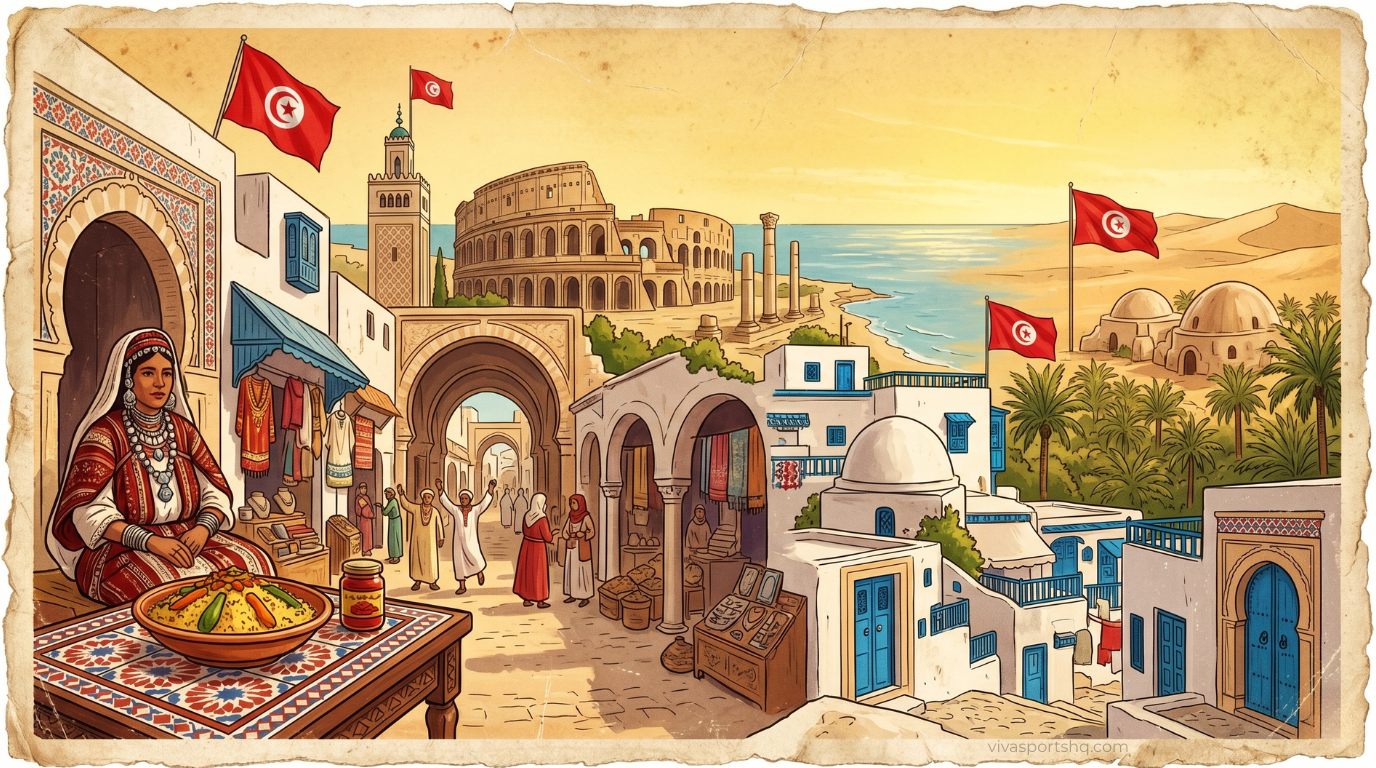
Tunisia do not make headlines. They qualify for World Cups, they organise themselves intelligently, they compete without embarrassing themselves, and they go home. Three consecutive tournaments — 2018, 2022, 2026 — without any of the drama, crisis, or chaos that surrounds so many of their continental neighbours. There is something worth respecting in that consistency, and something equally frustrating about a nation with genuine tactical sophistication that has never quite found the moment to announce itself on the biggest stage. In 2026 they are in Group F with the Netherlands, Japan, and Sweden. The group is difficult. The challenge is clear. But Tunisia have been in difficult groups before, and they have coaches and players who understand exactly what is required to make it competitive. Jalel Kadri has built a squad around experienced European-based professionals and a defensive structure that is among the most compact in African football. They will not be easy to beat. Whether they can convert that into advancement from the group stage is the question that has followed them since 2018.
Tactical Identity
Strength: Defensive compactness and tactical discipline that makes Tunisia one of the most difficult teams to break down in open play. Their shape is clear, their pressing triggers are well-defined, and their ability to frustrate technically superior opponents by denying space and time on the ball has produced creditable results against nations ranked far above them. In a group where all three opponents will expect to control possession, Tunisia's ability to make that possession unrewarding is a genuine tactical weapon. Weakness: Converting defensive discipline into attacking threat. Tunisia's goal-scoring record at recent World Cups reflects the same issue that limits most well-organised but talent-light squads at this level — they can frustrate, but they struggle to punish. Their forward options do not carry the individual quality to create chances consistently against top-level defensive organisation, and when their tactical structure is exposed by quick transitions, they are vulnerable.
"Tunisia are the team in Group F that the Netherlands and Japan will respect more than the draw suggests. They are organised, experienced, and absolutely capable of holding a lead if they get one. My one question is always the same with Tunisia: where do the goals come from? If Issam Jebali is fit and sharp, the answer becomes clearer. If not, they will compete without threatening." — Viviana Reyes, VivaSportsHQ
Key Players
Issam Jebali — Forward. The most dangerous attacker in the Tunisian squad, Jebali's movement and finishing make him the focal point of everything attacking that Tunisia attempt. When he is in form, he changes what is possible for this team. Ellyes Skhiri — Midfielder. The experienced central midfielder is the engine of Tunisia's system — physical, technically capable, and the player who makes the defensive structure function as a cohesive unit. He has been one of African football's most underrated midfielders for years. Montassar Talbi — Defender. The centre-back is Tunisia's most reliable defensive presence and the player responsible for organising the shape that makes them so difficult to break down. His aerial ability and composure on the ball from the back are the foundation of the system.
Tournament Prediction
Group F — Netherlands, Japan, Sweden, Tunisia — is a group where any of the top three could reasonably advance alongside the Netherlands. Tunisia's path to the round of 32 requires a win or draw against Sweden in the final group match, and at least a point from Japan or the Netherlands earlier in the group stage. It is achievable. It has not happened yet for Tunisia at a World Cup, despite three consecutive appearances. In 2026, with a more experienced squad and a clearer tactical identity than they carried into 2022, they are closer than they have ever been.
Viva's Verdict
"Three World Cups. Zero wins. Tunisia's record deserves to change, and I think 2026 is where it finally does. Not because the group is easy — it isn't — but because this squad is more cohesive and more experienced than anything they have brought before. They beat Sweden. It might just be enough."
The Road Back
Tunisia's consistency as qualifiers is genuinely remarkable for a nation of their size and resource level. The pipeline of European-based professionals — players developed in French, Italian, and German football — continues to supply quality at a rate that sustains their competitiveness across qualifying cycles. The challenge is not qualification. It has never been qualification. It is the step up in class that the World Cup group stage demands, and finding the attacking quality to complement the defensive intelligence that is already clearly there.