
New Zealand — the All Whites, the OFC's finest, and what happens when the smallest confederation sends its best team to the biggest stage
New Zealand are OFC's representative at World Cup 2026. They know the gap is significant. They also know they have closed it more than anyone expected.

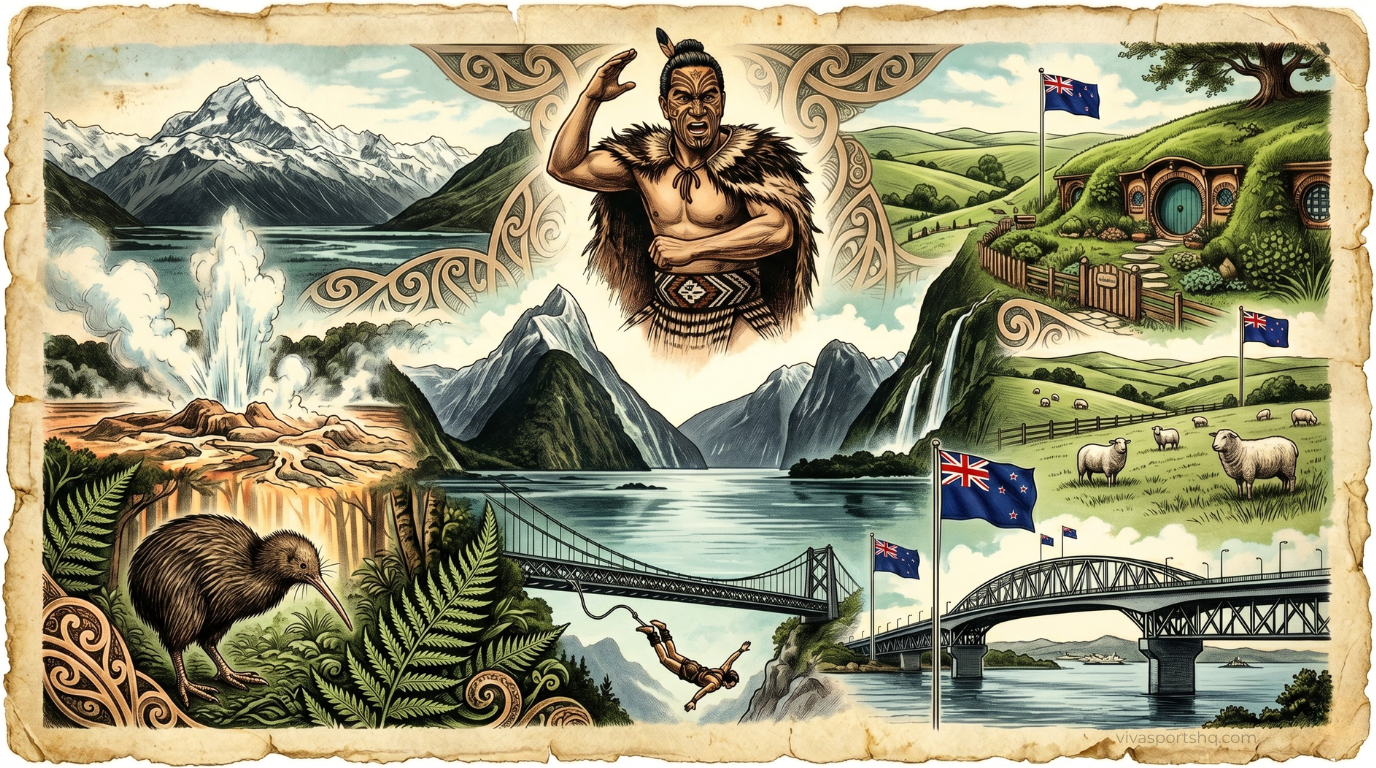
New Zealand's path to the World Cup runs through the OFC — the Oceania Football Confederation, the smallest of FIFA's regional bodies — and that path, while producing automatic qualification, brings its own challenge: a competitive environment that does not prepare teams for the step up in quality the World Cup group stage demands. The All Whites have been here before. In 2010 they went unbeaten through the group stage — drawing with Slovakia, Italy, and Paraguay in a genuinely remarkable achievement — before going out. They know the group stage can be navigated with organisation, intelligence, and a refusal to concede easy goals. Danny Hay has built a squad that is technically more capable than any previous New Zealand World Cup side, with players developed through the A-League and European football bringing qualities that the 2010 generation did not fully have. The challenge is the same as it has always been: turning OFC dominance into World Cup competitiveness against opponents who have spent the past four years in genuine competitive football.
Tactical Identity
Strength: Defensive organisation, physical commitment, and a collective work rate that reflects the rugby culture of the country — no individual is too good to track back and contribute defensively, no lead is safe enough to stop pressing. New Zealand's compactness and set piece threat have produced results against stronger opposition before, and their ability to absorb pressure for extended periods without conceding makes them competitive in matches where they are expected to lose heavily. Weakness: The quality of opposition in the group stage consistently exceeds what the OFC competition provides, and the lack of regular competitive matches against sides of international quality creates a preparation gap that only experience at the tournament itself can address. New Zealand's attacking options, while improved, remain limited relative to the sides they will face, and the challenge of scoring goals against quality opposition is the obstacle their World Cup campaigns consistently encounter.
"2010. Unbeaten through the group stage. People have never given New Zealand enough credit for that. They are organised, committed, and tactically more sophisticated than their ranking suggests. In 2026 I think they beat Iran and make Belgium and Egypt work harder than those sides want to. Never underestimate a team that went unbeaten at a World Cup within living memory." — Viviana Reyes, VivaSportsHQ
Key Players
Chris Wood — Forward. The experienced striker's physical presence and aerial ability make him New Zealand's most reliable attacking weapon. His experience in the Premier League brings a quality and composure to their forward line that the rest of the squad can anchor its attacking play around. Winston Reid — Defender. The veteran centre-back's experience and leadership are essential to the defensive organisation that makes New Zealand competitive. His ability to organise and marshal the defensive shape under pressure is the foundation of their tournament approach. Liberato Cacace — Defender/Midfielder. The technically accomplished player gives New Zealand a quality on the left side that their system can use to build attacks and defend wide areas. His European experience adds a tactical awareness that benefits the collective.
Tournament Prediction
New Zealand are in Group G with Belgium, Egypt, and Iran. Belgium are strong favourites. Egypt and Iran represent more competitive matches that New Zealand have the tools to take points from. A draw or win against Iran and a competitive performance against Egypt gives them a realistic path to a memorable moment. Repeating the 2010 unbeaten group stage requires a different level of fortune than they are likely to encounter. A point or two from Group G would represent achievement.
Viva's Verdict
"New Zealand went unbeaten at a World Cup in 2010. Nobody remembers it enough. Chris Wood is a Premier League striker. Cacace is developing into a genuine quality player. Belgium will beat them. Iran and Egypt will not find them easy. My prediction: New Zealand take something from Group G. It would not be the first time they surprised everyone."
The Road Back
New Zealand's World Cup participation depends on the OFC path remaining viable, and the confederation's lack of competitive depth creates a structural challenge for the program's development that no amount of individual talent fully compensates for. The long-term solution is more New Zealand players in higher-level club football — a trend that is slowly emerging but has not yet reached the critical mass that would transform their preparation. The 2026 experience adds to the growing pool of players with World Cup knowledge.